Posts

Showing posts with the label Economics

What is the Bitcoin Halving
Image
The next Bitcoin Halving is anticipated in April 2024, which will result in a block reward of 3.125, compared to the current 6.25. The Bitcoin halving refers to the event where the reward for Bitcoin miners is reduced by 50%, leading to a halved rate of new bitcoin issuance. Imagine you have a limited edition comic book, one of only 21 million ever printed. Every few years, half those copies vanish. That's kind of like what happens with Bitcoin halving, a unique event that shapes the digital currency's present and future. Bitcoin halving is a pre-programmed event in Bitcoin's code that cuts the reward for mining Bitcoin in half, roughly every four years. Think of miners like treasure hunters, solving puzzles to unlock new Bitcoins. With halving, the treasure chest shrinks, making each Bitcoin harder to find and, theoretically, more valuable.


Understanding The Migrant Crisis

Image
The current migrant crisis at the US-Mexico border encompasses various aspects, making it a complex and multifaceted issue. Here's a breakdown of key points to better understand the situation: What is a migrant crisis "Migrant crisis" is a broad term with no single definition, but it generally refers to a situation where a large number of people are migrating due to factors that threaten their safety or well-being. People's motives for migrating to the US, contributing to the current crisis, are diverse and complex, but some key Push and Pull factors stand out: Push factors: Violence and insecurity: Many migrants come from countries plagued by violence, gang activity, political instability, or civil war. Fearing for their lives and livelihoods, they seek safety and security in the US. Poverty and economic hardship: Limited economic opportunities, lack of access to basic necessities, and crippling debt can drive people to migrate in search of bet...

Why do some banks offer High Yield Savings Accounts and some don't

Image
A High Yield Savings Account (HYSA) is a type of savings account that offers a significantly higher interest rate compared to a standard savings account. The "high yield" term refers to the higher interest that the account generates. Traditional brick-and-mortar banks often have higher overhead costs, which can sometimes result in lower interest rates for their savings accounts. Online banks and credit unions, on the other hand, often have lower overhead costs, allowing them to offer higher interest rates. This is where you'll typically find High Yield Savings Accounts. HYSAs are particularly beneficial for individuals looking to earn a higher return on their savings without taking on the risk associated with other forms of investment. It's important to note that the interest rate offered on these accounts may change over time based on the bank's policies and prevailing economic conditions. Like other savings accounts, HYSAs are usually subject to feder...

The Debt Ceiling in Simpler Terms

Image
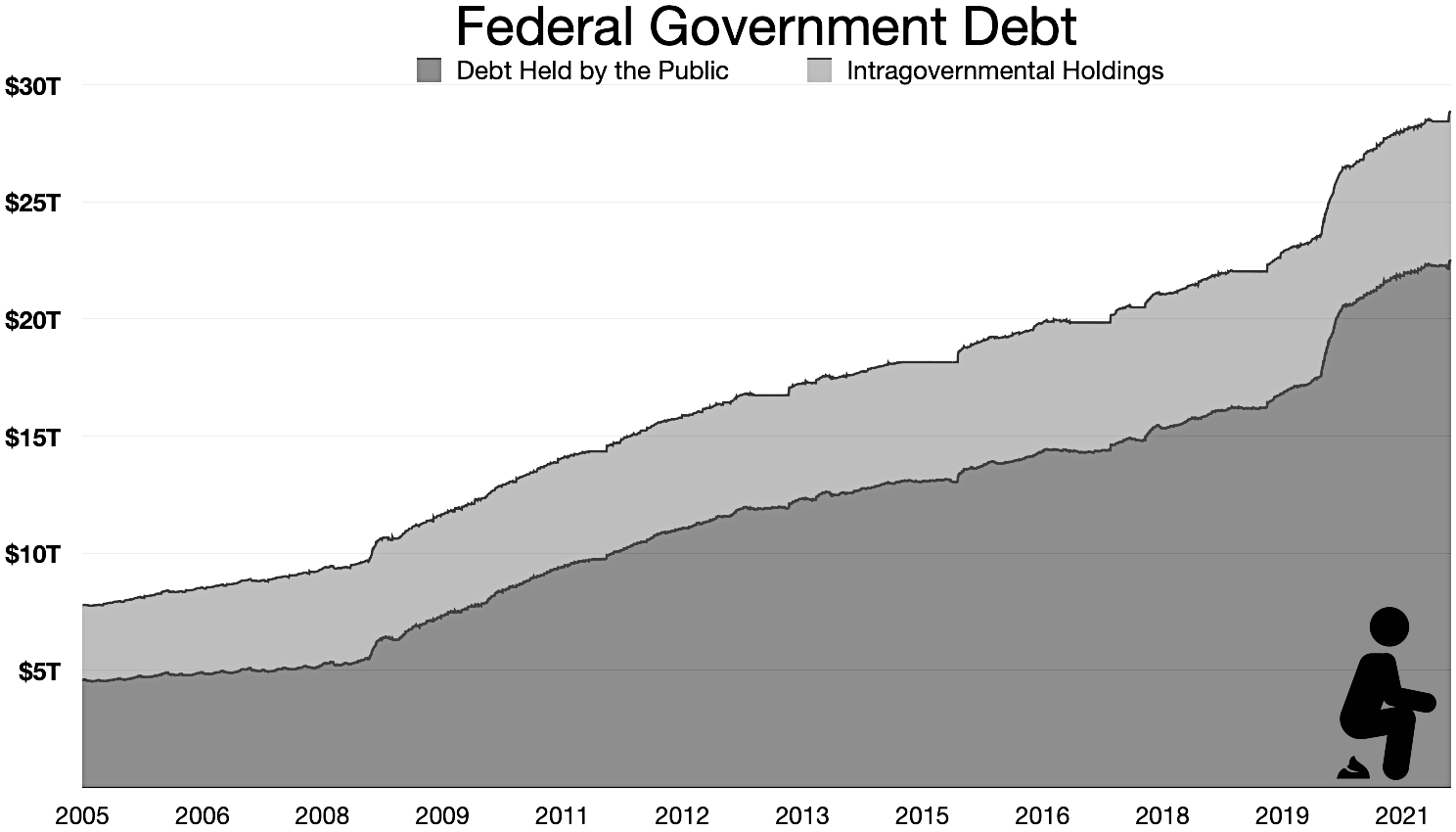
The debt ceiling is a limit that Congress sets on how much debt the U.S. federal government can have. It's like a credit card limit that your bank gives you. Now, why does the government have debt? It's because the government often spends more money than it takes in from taxes . The difference between what it spends and what it receives is called the "deficit." The government borrows money to cover this deficit by issuing bonds, which are bought by individuals, businesses, and other countries. All of these deficits add up over time to form the "national debt."

What is Investor Psychology

Image
Investor psychology, also known as behavioral finance, refers to the study of the influence of psychology on the behavior of investors or financial practitioners. It includes the investigation and understanding of why people make certain financial choices and how those decisions affect markets and overall economic events. Here are some key aspects of investor psychology:

What is the FDIC, what does it do, and how does it do it

Image
The Federal Deposit Insurance Corporation (FDIC) is an independent agency of the U.S. federal government that was established in 1933 to maintain stability and public confidence in the nation's banking system. The FDIC provides deposit insurance to protect depositors in case an FDIC-insured bank or savings institution fails. This means that if a bank fails, depositors' insured deposits, up to the legal limit, are protected and they will receive their money back. Currently, as of 2023, the standard insurance amount is $250,000 per depositor, per insured bank, for each account ownership category. The FDIC also works to promote safe and sound banking practices, and helps to prevent bank failures through its examination and supervision of financial institutions. The FDIC is headquartered in Washington, D.C., in the United States. The agency has additional offices in several cities across the United States, including regional offices, field offices, and liquidation centers. How ...

What is a Bank Run and how does it affect banks and the economy?

Image
Bank runs are back in the news. Which may be a sign that big economic problems are coming. This time the victim is Silicon Valley Bank, which is based in Santa Clara, California. According to news reports, SVB Financial Group is exploring a sale after selling off billions of dollars in assets to make its clients whole and sparking a panic on Wall Street this week. UPDATE: On March 10, 2023, SVB failed after a run on its deposits.The California Department of Financial Protection and Innovation (DFPI), its regulator, seized the bank and placed it into the receivership of the FDIC in the second-largest bank failure in U.S. history. To better understand what's going on, let's take a look at what a run on the bank is and why it usually leads to bankruptcy. What is a run on the bank A bank run is a situation in which a large number of depositors simultaneously withdraw their funds from a bank or financial institution, often due to concerns about the solvency or stability of...