Posts

Showing posts with the label Health

What are the Methuselah microbes – or zombie viruses

Image
Methuselah microbes, colloquially referred to as ancient giant viruses or zombie viruses, constitute a relatively recent discovery in the realm of virology. This group comprises large viruses, and their unique identification is closely tied to their existence in permafrost—the perennially frozen ground characteristic of the Arctic region. These viruses are unique in several ways:

Woman with Double Uterus Gives Birth

Image
Kelsey Hatcher's life has always been marked by a little extra wonder. Born with a rare congenital condition called uterus didelphys, she possesses two uteruses and two cervixes instead of the usual one. This anomaly, affecting roughly 0.3% of women, presented its own set of challenges, but it also held an unexpected blessing. Recently, Kelsey defied the odds of 1 in a million and became pregnant in both uteruses, carrying one precious life in each womb.

What is Taurine (The Good and The Bad)

Image
Taurine is a type of amino acid, which are the building blocks of proteins. It's found in large amounts in the brain, retina, heart, and blood cells called platelets. The best food sources are meat and fish. Contrary to most amino acids, taurine is not used in body to build proteins. It has several critical functions: Maintaining proper hydration and electrolyte balance in your cells: Taurine helps regulate water and mineral salts in the blood. Its role in maintaining the body's electrolyte balance helps support the function of your central nervous system. Forming bile salts: Bile salts, which are produced by the liver, help break down dietary fats. Taurine is essential in the creation of bile salts. Regulating minerals within cells: It helps regulate calcium, potassium, sodium, and magnesium in your cells, contributing to the healthy function of muscles, including the heart. Supporting the general function of the central nervous system and eyes: T...

How does Artificial Intelligence Predict Breast Cancer?

Image
Artificial intelligence (AI), particularly machine learning and deep learning models, can be used to predict breast cancer and other diseases based on patterns in medical data. AI technology offers innovative ways to analyze mammograms, detecting signs of cancer such as microcalcifications and unusual tissue density. AI has proven to be more precise than human radiologists in identifying these signs, and can even pinpoint cancers too minuscule to be observed on a mammogram by the human eye.

What is body dysmorphia (BDD)?

Image
Body dysmorphi, or body dysmorphic disorder (BDD) , also known as body dysmorphia, is a mental health disorder in which you can't stop thinking about one or more perceived defects or flaws in your appearance — a flaw that appears minor or can't be seen by others. But you may feel so embarrassed, ashamed, and anxious that you may avoid many social situations. When you have body dysmorphic disorder, you intensely obsess over your appearance and body image, repeatedly checking the mirror, grooming or seeking reassurance, sometimes for many hours each day. Your perceived flaw and the repetitive behaviors cause you significant distress and impact your ability to function in your daily life.

Stoicism: The Philosophy of Resilience

Image
Stoicism is an ancient school of philosophy that was founded in Athens in the early 3rd century BC. It’s a practical philosophy that has seen a resurgence in recent years for its profound relevance to modern life. Stoicism teaches the development of self-control and fortitude as a means to overcome destructive emotions, proposing that virtue (expressed as wisdom, courage, justice, and temperance) is happiness.

Nihilism: The Philosophy of Nothingness

Image
Nihilism, a philosophy of negation, derives its name from the Latin word 'nihil,' meaning 'nothing.' In its most extreme form, nihilism advocates the belief that life lacks objective meaning, purpose, or intrinsic value. It rejects moral truths and often questions the existence of knowledge and reality itself. Nihilism posits that traditional values and beliefs are unfounded, rendering existence senseless and futile.

Most popular over-the-counter (OTC) pain medications

Image
The popularity of over-the-counter (OTC) pain medications can vary greatly based on location due to local regulations, marketing, and cultural preferences. However, as of my last training cut-off in September 2021, the most globally recognized and widely used OTC pain medications include: Acetaminophen (Paracetamol): Also known under the brand name Tylenol and Panadol, it's used to treat mild to moderate pain and to reduce fever. Ibuprofen: Known by brand names such as Advil and Nurofen, ibuprofen is an NSAID used to relieve pain, reduce inflammation, and lower fever. Aspirin: Sold under various brand names such as Bayer, aspirin is used to relieve minor aches and pains, reduce fever, and in low doses, to prevent heart attacks. Naproxen: Sold under the brand name Aleve among others, it is used for pain relief, fever reduction, and lowering inflammation.

What is Buprenorphine and what is it used for

Image
Buprenorphine is a medication primarily used to treat opioid use disorder, acute pain, and chronic pain. It can be used under the tongue, by injection, as a skin patch, or as an implant. For opioid use disorder, it decreases the desire to use the drug and withdrawal symptoms. Buprenorphine belongs to a class of drugs called mixed opioid agonist-antagonists. It helps prevent withdrawal symptoms caused by stopping other opioids. It is a partial opioid agonist, which means it produces effects such as euphoria or respiratory depression at lower levels than full opioid agonists do. However, these effects plateau, so there's less potential for misuse and less danger of overdose compared to full opioid agonists. In terms of its antagonist properties, buprenorphine binds so tightly to the opioid receptors that it can block the effects of other opioids, which can help deter misuse. It is often combined with naloxone (a combination known as Suboxone) to decrease the risk of misuse....

What is Xylazine and why is it so dangerous

Image
Xylazine is a non-opioid sedative, analgesic, and muscle relaxant primarily used in veterinary medicine. It is classified as an alpha-2 adrenergic agonist, meaning it works by stimulating alpha-2 receptors in the nervous system, which leads to a decrease in the release of certain neurotransmitters. This results in sedation, pain relief, and muscle relaxation. Xylazine is commonly used for sedation, anesthesia, and pain management in large animals like horses, cattle, and deer. It is sometimes combined with other medications, such as ketamine, to achieve a more profound anesthetic effect. While xylazine is not approved for human use, it has been reported to be misused as a recreational drug or as an adulterant in illicit drugs, like heroin. This can lead to serious side effects, including respiratory depression, bradycardia (slow heart rate), hypotension (low blood pressure), and even death.

What is the Canine Distemper Virus

Image
Canine distemper virus (CDV) is a highly contagious viral disease that affects dogs and other animals, such as raccoons, foxes, skunks, and certain species of large cats. The virus belongs to the Paramyxoviridae family and the genus Morbillivirus, which also includes the measles virus in humans and the rinderpest virus in cattle. CDV primarily affects the respiratory, gastrointestinal, and nervous systems of infected animals, causing a wide range of symptoms. Common signs of canine distemper include: Respiratory symptoms: coughing, nasal discharge, and difficulty breathing Gastrointestinal symptoms: vomiting, diarrhea, and loss of appetite Neurological symptoms: seizures, paralysis, muscle twitching, and imbalance Transmission of the virus occurs through direct contact with an infected animal or their bodily fluids, as well as through contaminated objects and environments. Young, unvaccinated puppies and dogs with compromised immune systems are particularl...

What is Mifepristone (the abortion pill)

Image
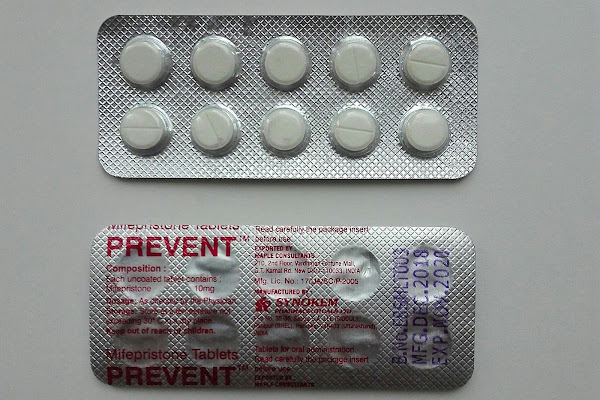
Mifepristone (also known as RU-486) is a medication primarily used to terminate early pregnancies. It belongs to a class of drugs called progesterone receptor antagonists. Mifepristone works by blocking the action of progesterone, a hormone that is essential for the continuation of a pregnancy. Without progesterone, the lining of the uterus breaks down, preventing the embryo from developing further. Progesterone is a hormone that plays a crucial role in the female reproductive system, as well as in the maintenance of pregnancy. It is mainly produced in the ovaries after ovulation, but smaller amounts are also produced by the adrenal glands and, during pregnancy, by the placenta. Progesterone has several important functions in the body, including: Regulating the menstrual cycle: Progesterone works together with estrogen to prepare the uterus for a possible pregnancy. After ovulation, progesterone levels rise, thickening the uterine lining to provide a suitable environmen...

What is Fentanyl and why is it so dangerous

Image
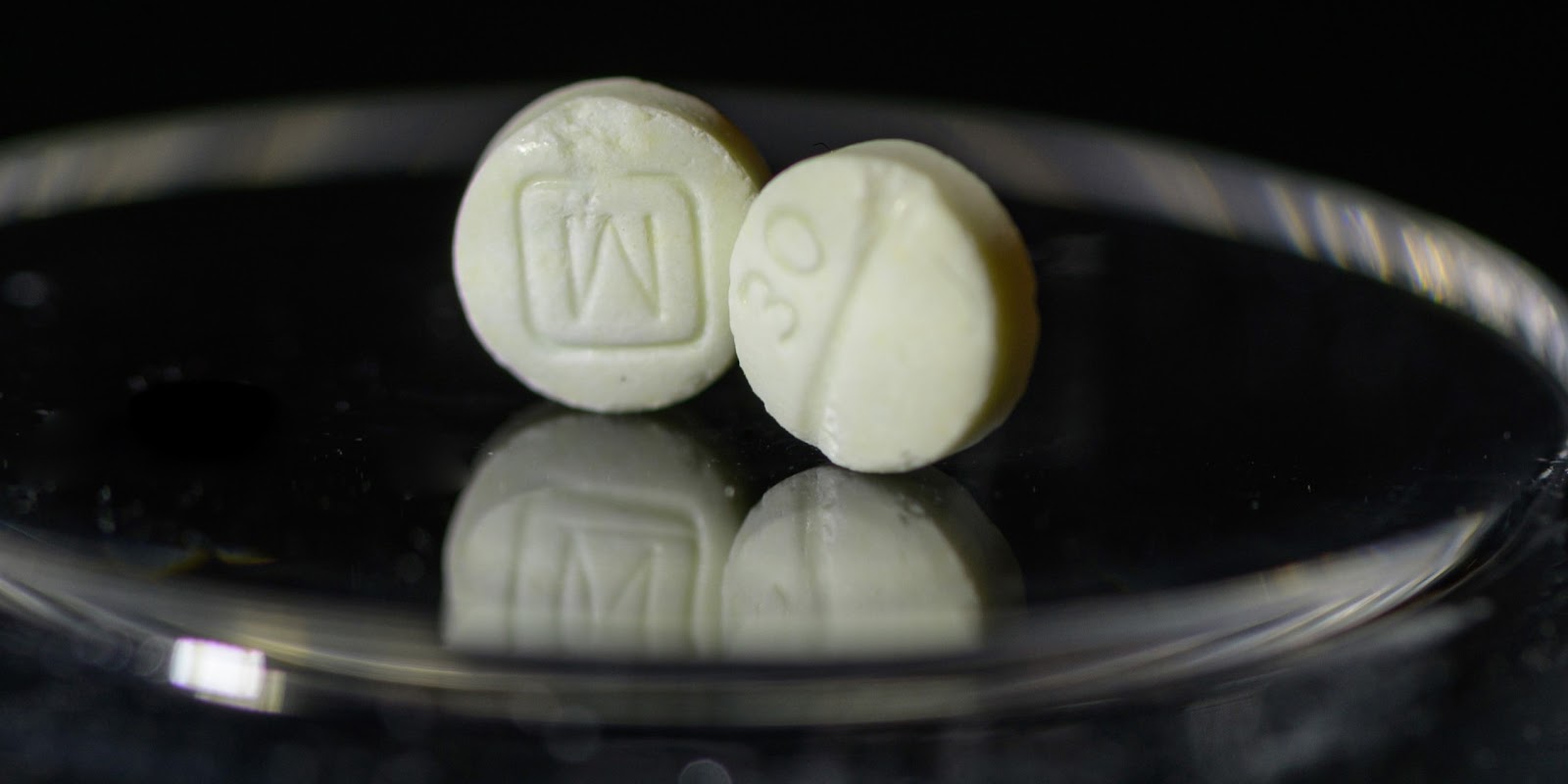
Fentanyl is a powerful synthetic opioid analgesic that is similar to morphine but is 50 to 100 times more potent. It is a prescription drug that is typically used to treat patients with severe pain or to manage pain after surgery. Fentanyl is also sometimes used to treat patients with chronic pain who are physically tolerant to other opioids. Some of the common reasons for using or prescribing fentanyl include: Severe pain management: Fentanyl can be prescribed for patients experiencing severe pain that is not effectively managed by other, less potent painkillers. This may include cancer-related pain or severe chronic pain. Breakthrough pain: Fentanyl is sometimes prescribed for patients who are already on long-acting opioid medications but experience sudden, intense flare-ups of pain that "break through" their regular medication. In this context, fentanyl may be prescribed as a fast-acting, short-duration medication to manage these episodes of breakthrough ...

What are Antibiotics and why do I need a perscription

Image
Antibiotics are a class of drugs used to treat bacterial infections by either killing the bacteria or inhibiting their growth. They have no effect on viral infections, such as the common cold or flu. The discovery of antibiotics, particularly penicillin by Alexander Fleming in 1928, revolutionized medicine and has saved countless lives since their introduction.

What is Makena: the premature birth drug hydroxyprogesterone caproate

Image
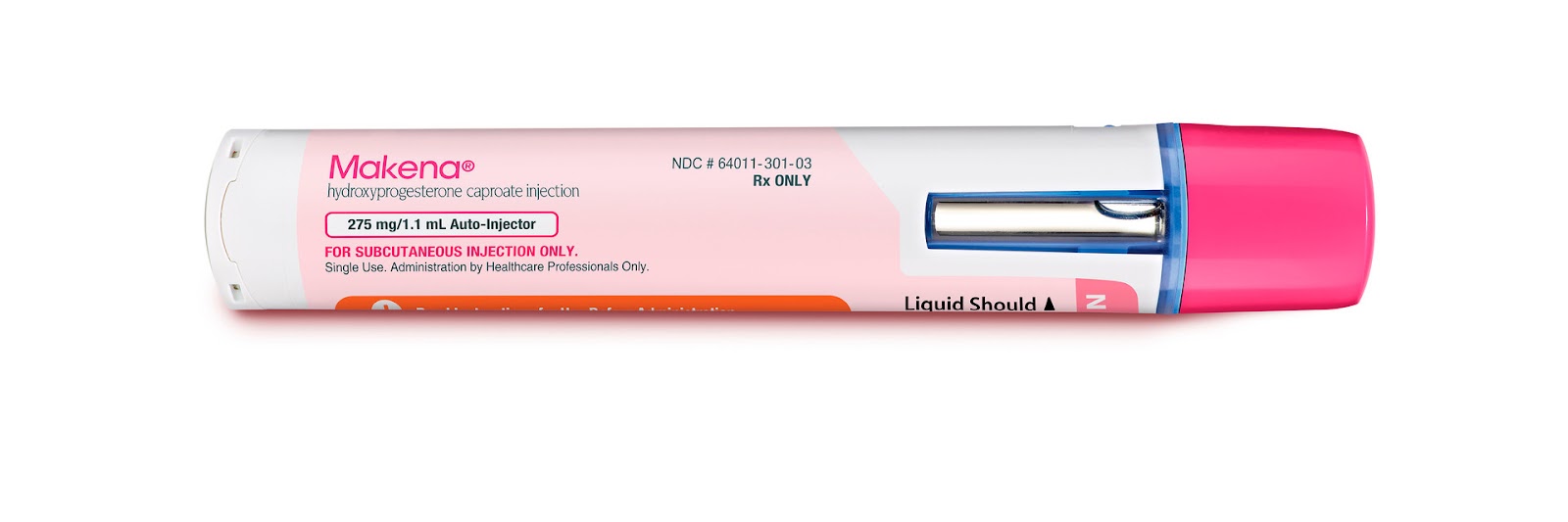
Makena, also known as hydroxyprogesterone caproate, is a synthetic form of the hormone progesterone. It is a prescription medication used to lower the risk of preterm birth in pregnant women who have previously experienced a spontaneous preterm birth. Preterm birth refers to the delivery of a baby before 37 weeks of gestation. By reducing the risk of preterm birth, Makena can help improve the chances of a healthy pregnancy and reduce the potential complications associated with premature delivery. Makena is administered as an intramuscular injection, usually starting between the 16th and 20th week of pregnancy and continuing until the 37th week or until the baby is born, whichever comes first. The injections are typically given once a week by a healthcare professional. It is important to note that Makena is not intended for use in women with multiple pregnancies (e.g., twins, triplets) or other risk factors for preterm birth, aside from a prior history of spontaneous preterm bir...

What is Pseudomonas Aeruginosa, the bacteria responsible for the eyedrops infections

Image
Pseudomonas aeruginosa is a Gram-negative, rod-shaped, and opportunistic pathogen that is commonly found in soil, water, and various moist environments. It has emerged as a significant cause of nosocomial infections, particularly in immunocompromised individuals and those with underlying medical conditions. Due to its intrinsic resistance to many antibiotics and its ability to form biofilms, P. aeruginosa poses a considerable challenge in clinical settings. Pseudomonas aeruginosa was first identified by Carle Gessard, a French pharmacist, in 1882. Gessard initially named the bacterium "Bacillus pyocyaneus" because of its ability to produce a blue-green pigment called pyocyanin. The name was later changed to Pseudomonas aeruginosa, with "Pseudomonas" referring to the Greek words for "false" and "unit" and "aeruginosa" meaning "copper rust," describing the blue-green color of the colonies on agar plates.

What is The Talcum Powder Lawsuits (California Baby Powder Lawsuit)

Image
The talcum powder lawsuits are a series of legal cases involving allegations that the use of talcum powder, particularly in the context of feminine hygiene, has led to the development of ovarian cancer and other serious health issues. These lawsuits primarily target Johnson & Johnson, a multinational company that produces various consumer and pharmaceutical products, as the main defendant. This article delves into the details of the talcum powder lawsuits, including the history, scientific evidence, legal implications, and the current status of the cases.

What is Ozempic and how does it work

Image
Ozempic is a brand name for the drug semaglutide, which is a glucagon-like peptide-1 (GLP-1) receptor agonist. It is used as a medication for the treatment of type 2 diabetes in adults, alongside diet and exercise, to improve blood sugar control. Semaglutide works by mimicking the action of a naturally occurring hormone called GLP-1, which helps to regulate blood sugar levels by stimulating insulin release, inhibiting glucagon release, and slowing down the emptying of the stomach. Ozempic is usually administered as a subcutaneous injection once a week. It is not intended for use in patients with type 1 diabetes or for the treatment of diabetic ketoacidosis.

Whats is the Rose-Killing Fungus: Chondrostereum Purpureum, aka silverleaf fungus

Image
Chondrostereum purpureum, commonly known as the silverleaf fungus, is a fascinating organism that has captured the interest of mycologists and researchers alike. This fungus, known for its unique purple hue, is found primarily in the Northern Hemisphere and has a range of ecological impacts. This essay delves into the biology of Chondrostereum purpureum, its ecological roles, and recent news about this captivating fungus. Why is it called the Rose Killing Fungus This nickname is given due to its ability to infect and cause dieback in various woody plant species, including rose bushes (Rosa spp.). The fungus can invade wounded or damaged plant tissue, such as pruning cuts or natural openings, and subsequently colonize the host's vascular system. This colonization can lead to the death of affected branches or, in severe cases, the entire plant. The common name "rose killing fungus" likely stems from the fungus's impact on cultivated roses, which are popular orname...

What is Narcan (naloxone)

Image
Narcan is the brand name for naloxone, a medication used to rapidly reverse opioid overdose. It is an opioid antagonist, which means it works by binding to the same receptors in the brain that opioids like heroin, morphine, oxycodone, and fentanyl bind to, but without causing the same effects. By doing so, Narcan displaces the opioids from these receptors, effectively reversing the life-threatening respiratory depression and other symptoms of an opioid overdose. Narcan can be administered as an intravenous injection, intramuscular injection, or as a nasal spray. It is a safe and effective medication that can be used by medical professionals, first responders, and even laypeople with minimal training. In many countries, it is available without a prescription to increase access and potentially save lives in overdose situations. However, it is essential to call emergency medical services even after administering Narcan, as further medical care may still be necessary. Narcan, is a...